 Čeština (cs-CZ)
  Dansk (da-DK)
  Deutsch (de-DE)
  English (en-GB)
  Français (fr-FR)
UNOC is an international conference under the aegis of the UN, aimed at mobilising all stakeholders (States, NGOs, scientists, etc.) to preserve the oceans and ensure their sustainable use.
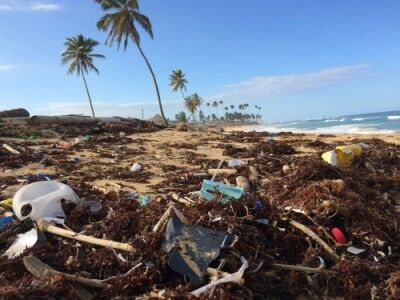
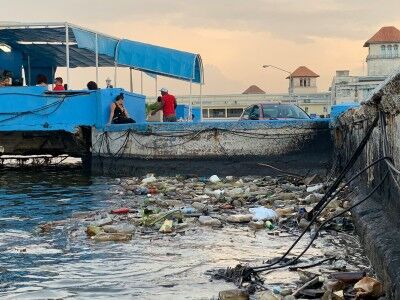
Regulator of major environmental balances, provider of rich resources and biodiversity, but also major vector of economic exchanges and essential link between countries and human communities, the ocean is today threatened by numerous pressures such as the effects of climate change, pollution and the overexploitation of marine resources.
Ambitious goals
The United Nations Conference for Oceans 3 (UNOC3) is an initiative aimed at addressing global environmental and ocean management challenges. But with the United States (USA), led by Donald Trump, opposing any binding decision, any convention is likely to be reduced to wishful thinking or mere shambles.
 Concrete outcomes expected from such a conference may include, in the best case scenario:
- International agreements: The signing of new agreements or the renegotiation of existing ones to strengthen ocean protection and the sustainable management of marine resources.
- National commitments: Concrete commitments from governments to implement specific policies and actions to protect the oceans, reduce marine pollution, and promote sustainable fisheries.
- Funding and resources: Mobilizing funding and resources to support marine conservation, scientific research, and sustainable ocean development projects.
- Partnerships and collaborations: Strengthening partnerships between governments, non-governmental organizations, the private sector, and local communities to work together on ocean conservation and management initiatives.
- Awareness and education: Awareness campaigns and educational programs to inform the public about the importance of the oceans and the threats they face, as well as the actions everyone can take to protect them.
- Technologies and Innovations: Promoting technological innovation to improve ocean monitoring, marine resource management, and pollution control.
- Research and Data: Encouraging scientific research and data collection to better understand marine ecosystems and the impacts of human activities on the oceans.
- Policies and Regulations: Developing national and international policies and regulations to protect marine areas, sustainably manage fisheries resources, and reduce plastic and chemical pollution.
- Pilot Projects and Initiatives: Launching pilot projects and concrete initiatives to test and implement innovative solutions to specific ocean-related problems.
- Monitoring and Evaluation: Establishing monitoring and evaluation mechanisms to measure progress and adjust strategies based on results.
Some reactions
 During the closing session, we were able to observe the usual self-congratulations, shocking statements and other empty phrases...
Arnoldo Andre Tinoco, Minister of Foreign Affairs of Costa Rica:
"We recorded 51 ratifications of the BNJNJ, and hope that more will come in the next weeks to reach the 60 needed for entry into force. The call for precautionary measures has now reached 37 states, which shows that more and more countries are listening to science and the demands of young people for their common heritage over commercial interests."
Olivier Poivre d'Arvor, French Special Envoy for the United Nations Ocean Conference, said:
"In this time of contested multilateralism, in this period of science denial, what matters is being a majority. And we were there (and the calculation was made very precisely) in this vast co-ownership of the ocean, our common good, more than 90% of the co-owners were present, in terms of square kilometers of exclusive economic zones. Yes, I believe that... What was decided in Nice cannot be undone. No illegal path is acceptable."
Li Junhua, Under-Secretary-General for Economic and Social Affairs, United Nations/Secretary-General of the Third United Nations Ocean Conference (UNOCC3):
“The Conference succeeded in bringing the ocean back to the forefront of the sustainable development agenda. But let me also be clear: the real test is not what we said here, but what we do next. The pledges made this week must be rigorously implemented, monitored, and scaled up. The partnerships we have forged must deliver results, while also becoming deeper and more inclusive.”
And now ?
Despite all good intentions expressed, the now absolute urgency, the absence and opposition of the United States, and Donald Trump's desire to dredge and drill in international waters are a harbinger of the conference's patent failure. Indeed, despite facing criticism, the American president persisted and signed an executive order authorizing the exploitation of deep waters in international waters.
What does the future hold? Let's hope that this conference does not reinforce the proverbial "mountain giving birth to a mouse." Or would we prefer a true global revival, putting the future before immediate profit?
Photo Credits : Dustan Woodhouse on Unsplash